
As the push for renewable energy accelerates, solar farm companies are increasingly looking to rural and underutilized land to anchor the national grid. For a landowner, signing a ground lease is the beginning of a multi-decade partnership that can turn a quiet parcel into a significant financial engine. These agreements, however, are far more complex than a standard rental contract. Understanding the specific structural layers—from the initial option period to the long-term escalation clauses—is essential if you ever plan to convert those future rent checks into an immediate, tax-efficient lump sum.
Key Terms and Clauses in Solar Farm Ground Leases with Solar Farm Companies
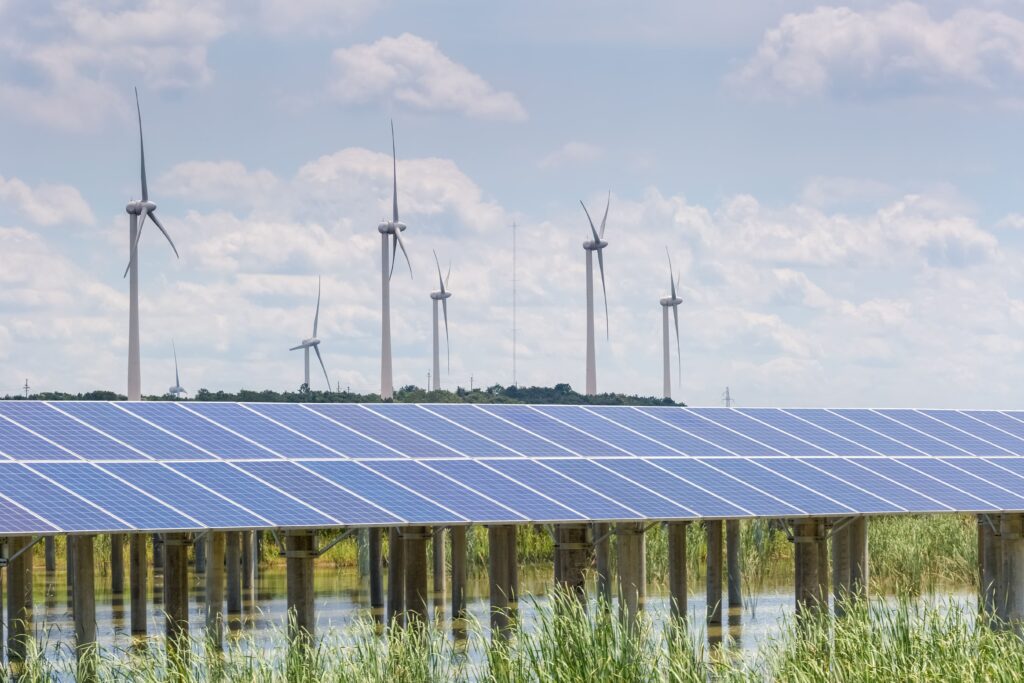
Unlike a standard residential or commercial lease, an agreement with solar farm companies is a multi-decade commitment, often lasting 25 to 40 years. Because of this duration, specific clauses are vital for protecting the landowner’s interests.
- The Option Period: Before a single panel is installed, most companies require a “due diligence” or option period. During this time, the company pays a smaller fee to hold the land while they secure permits and grid interconnection.
- Escalation Clauses: To account for inflation over several decades, a well-structured lease includes annual rent increases, typically ranging from 1.5% to 3%. These escalations are critical when calculating the “Net Present Value” for a future buyout.
- Decommissioning Bonds: A major concern for landowners is what happens when the panels reach the end of their life. Strong leases require solar farm companies to post a bond or security that guarantees the funds will be available to remove equipment and restore the land to its original state.
Balancing Long-Term Income and Flexibility
While the promise of steady “sunshine rent” is attractive, landowners must balance this predictable income with the need for financial flexibility.
One of the most important elements is the “Right to Assign.” This allows the landowner to sell the rights to the lease payments to a third-party investor without needing the solar company’s explicit permission for every detail. This flexibility is what enables a tax-efficient lump-sum payout. By maintaining a clean, well-documented lease structure, heirs and investors can ensure that if they ever need immediate capital—whether for estate settlement or new investment opportunities—the lease remains a highly “liquid” and attractive asset to buyers.
Navigating the complexities of renewable energy contracts requires a forward-looking strategy. Whether you are in the negotiation phase or currently collecting rent, your lease is a powerful financial engine. Partner with GAMZs Ground Lease Buyout today for a comprehensive lease review and discover how to position your property for maximum long-term growth or an immediate, tax-efficient payout!