
For landowners across the country, a Cell Tower Lease often begins with a simple letter or phone call. Whether you own a sprawling ranch or a commercial rooftop, your property might be the missing piece in a wireless carrier’s network map. For many heirs and small-to-mid investors, however, these agreements are often misunderstood. A cell tower lease is more than just a rental agreement; it is a high-value financial asset that can provide decades of steady revenue—or be converted into a significant lump-sum payout.
Key Components of a Cell Tower Lease That Create Steady Revenue
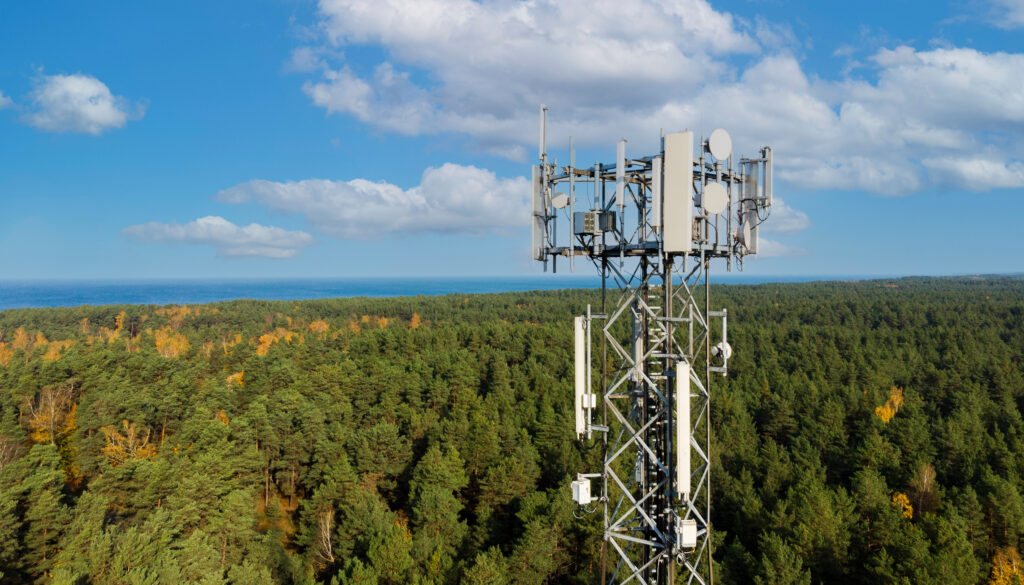
At its core, a Cell Tower Lease is a contract where a property owner grants a wireless carrier or tower company the right to use a small portion of land to house telecommunications equipment. To maximize the value of this income stream, you must understand the mechanics of the contract.
- Lease Term and Renewals: These leases are typically long-term, often structured in five-year “increments” that can span 25 to 30 years or more. This longevity provides a predictable horizon for financial planning.
- Rent Escalations: Most modern leases include an “escalator” clause. This ensures your income grows over time—commonly increasing by 2% to 3% annually—to protect your revenue against inflation.
- Collocation Clauses: One of the most powerful revenue drivers is the ability for multiple tenants (like Verizon, AT&T, and T-Mobile) to share the same tower. If your lease includes revenue-sharing for “collocation,” your monthly check could increase every time a new carrier adds equipment to the site.
How Location, Tower Type, and Tenant Quality Affect Your Earnings
Not all towers are created equal. The market value of your Cell Tower Lease depends heavily on the strategic importance of your specific patch of dirt.
- Strategic Location: A tower in a densely populated urban area or along a major interstate is often more valuable than one in a remote field. High-traffic areas are essential for network capacity, making those leases less likely to be “decommissioned.”
- Tower vs. Rooftop: Traditional “monopole” or “lattice” towers require more land but can hold more tenants. In contrast, rooftop sites in cities are highly prized for their height but may have more complex access requirements.
- Tenant Creditworthiness: A lease with a major national carrier is generally worth more than one with a smaller, regional provider. High-quality tenants offer “bond-like” security, which is a major factor if you ever decide to sell the lease for a lump-sum payout.
While the monthly income from a Cell Tower Lease is reliable, many landowners find that the “time value of money” makes an immediate buyout more attractive. Whether you want to fund retirement, pay off debt, or utilize a 1031 exchange to reinvest in more lucrative real estate, converting your lease into a lump sum can eliminate the risk of future technology shifts.
Are you curious about the current market value of your lease? Contact our valuation experts today for a free, confidential assessment and discover how much your Cell Tower Lease could be worth in today’s competitive market.